Taking it at night may support your bodys natural repair and detoxification processes that occur while you sleep, potentially improving sleep quality and morning alertness
This article will explore the biological synergy between these two substances, why your bodys master antioxidant is so difficult to absorb through traditional means, and how you can optimize your routine for better results
She holds dual master's degrees from Tufts University and approaches care without a weight-centric lens.
Laut einer aktuellen Metaanalyse von 11 Studien mit ber 10.000 Teilnehmern aus dem Jahre 2018 korreliert ein erhhter TMAO-Spiegel im Blut mit einem um 23% erhhten Risiko kardiovaskulrer Ereignisse wie Herzinfarkt, Herzversagen, Herztod und Schlaganfall

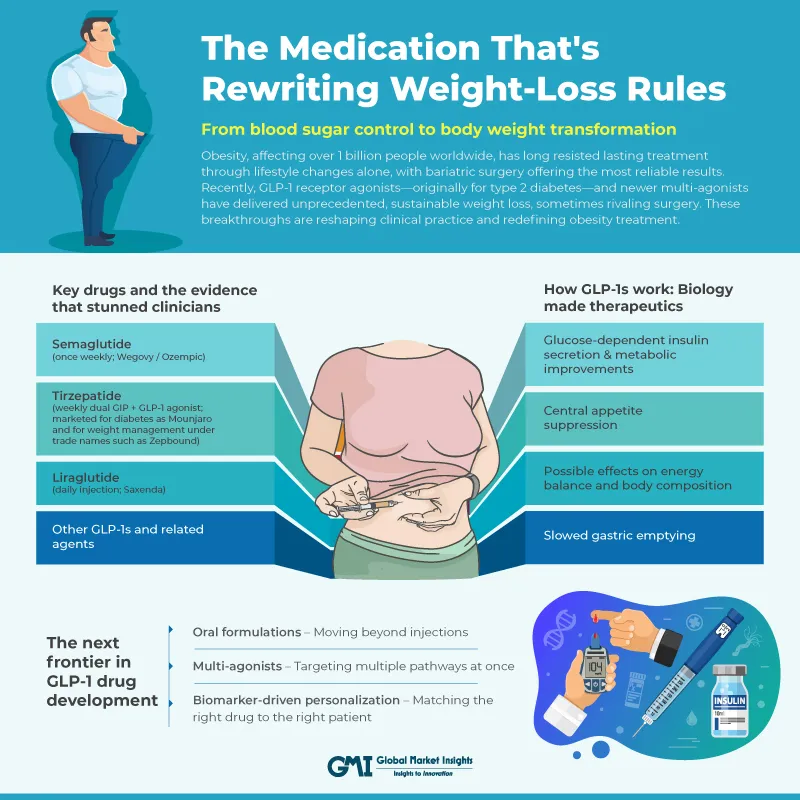
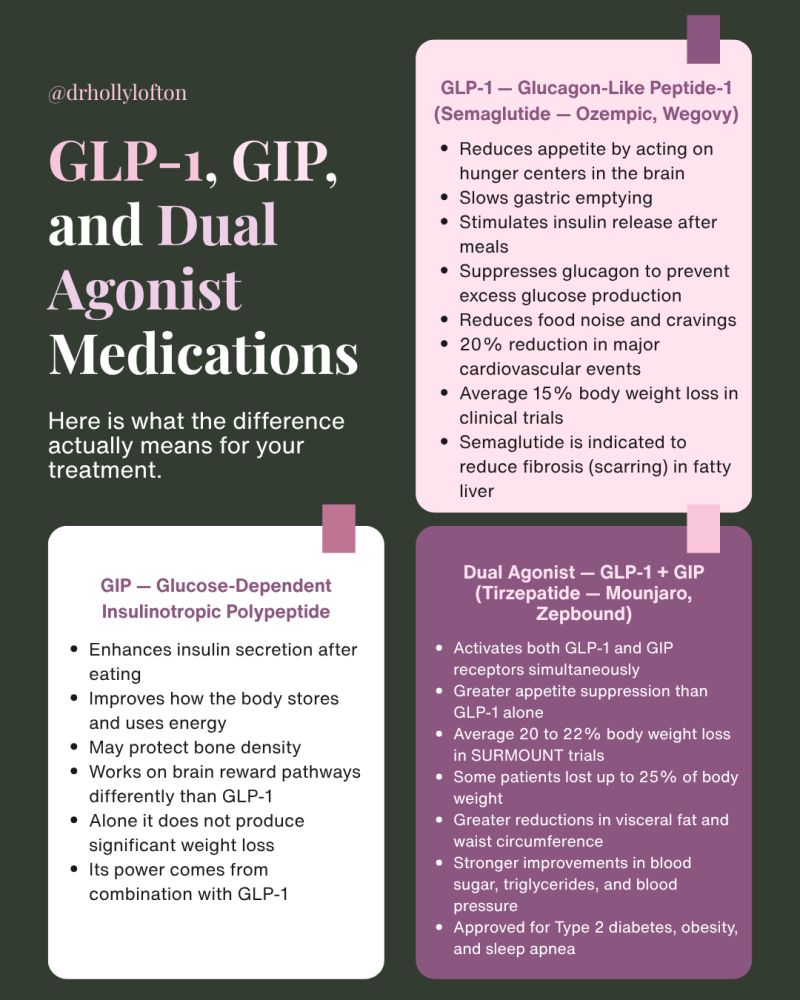
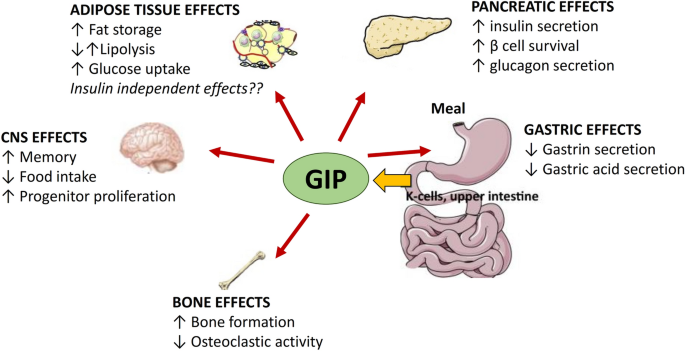
Hormones & Signaling GLP-1: released after eating Insulin: blood sugar regulation Glucagon: raises blood sugar when it drops Oxytocin: bonding, labor, social behavior Vasopressin: blood pressure and water retention Pain & Mood Endorphins: your natural painkillers, released during exercise Enkephalins: pain modulation throughout the nervous system Dynorphins: stress response and pain regulation Immune Defense Defensins: antimicrobial peptides that attack bacteria, fungi, and viruses Cathelicidins: front-line immune response in skin and lungs Digestion Cholecystokinin (CCK): signals fullness after eating Ghrelin: the hunger hormone, signals when you need to eat Secretin: regulates stomach acid and pancreatic function Cardiovascular BNP (B-type natriuretic peptide): regulates blood pressure