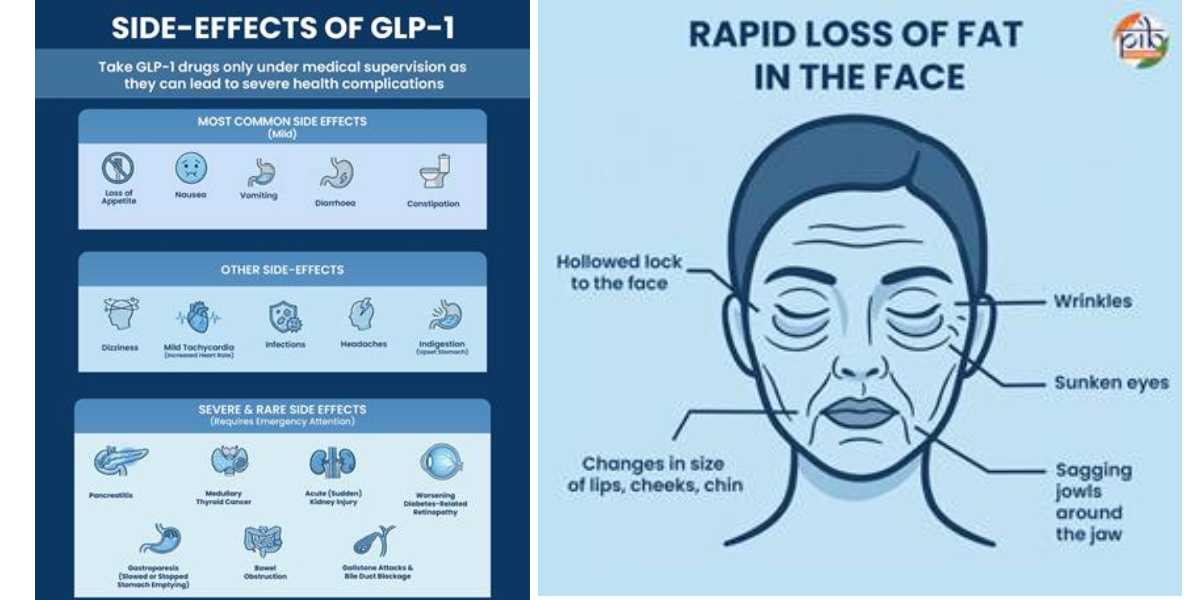
Antiinflammatory actions of glucagon-like peptide-1based therapies beyond metabolic benefits Text PDF Abstract Therapies based on glucagon-like peptide-1 (GLP-1) reduce rates of cardiovascular and chronic kidney disease in people with type 2 diabetes and/or obesity, with ongoing clinical trials investigating their effects in people with metabolic liver disease, arthritis, and both substance use and neurodegenerative disorders
The ability of L-carnitine to reduce miR-132 expression in T1DM rats provides further evidence of its potential to modulate inflammatory responses and prevent fibrosis, which are critical in preserving testicular function in diabetes
Amino acid signalling upstream of mTOR
B12 injections pair well with other Hydration Room services including Myers' Cocktail IV therapy, NAD+ therapy, and glutathione injections
Conclusions and Remarks In this review, we have discussed the different oxidative challenges that parasite has to face throughout its life stages, the mechanism(s) employed for controlling this condition, and the cellular processes influenced by the parasite's intracellular redox environment