Typically the infusion is stopped for a 10-minute monitoring period and then resumed once the symptoms subside.There is a .002 and .004% risk of anaphylaxis depending on the type of Intravenous Iron given.Following an Iron transfusion there can be a range of " hypersensitivity reactions" anywhere from immediately after the IV up to 3 to 4 days after: urticaria, rashes, joint swelling, joint pain, fever, flu-like symptoms, abdominal pain, diarrhea and constipation as well as muscle pain and cramping
Earlier this month, Oklo got approval from the NRC to handle, process, and distribute radioisotopes from its facility at Idaho National Laboratory and signed an agreement with the US Department of Energy to build a 75 MW pilot reactor at the lab
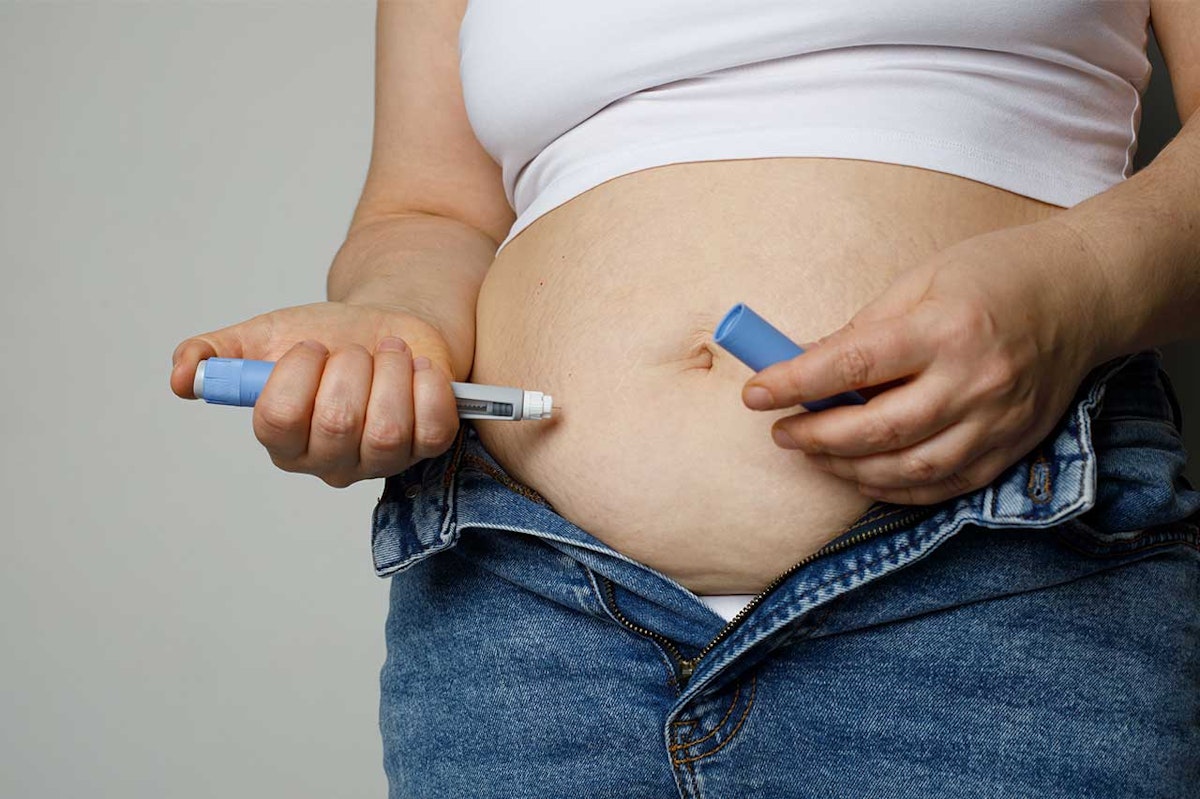
External resources PMC: The physiology of weight loss plateaus during obesity pharmacotherapy , a comprehensive analysis of metabolic adaptation mechanisms during GLP-1 receptor agonist therapy, including appetite feedback coefficients and energy expenditure changes
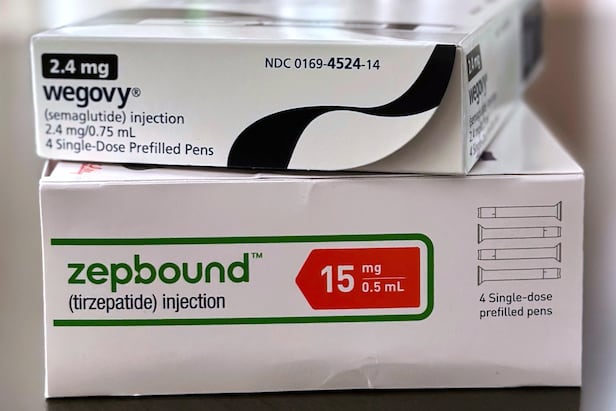
If you're trying to decide which one is better, the real answer is: it depends
doi: 10.2337/db08-0969 16 KarbowskaJKochanZ

















![What Happens to Your Body When You Quit Smoking [INFOGRAPHIC]](https://www.cardio.com/wp-content/uploads/2023/11/image-3.jpeg)