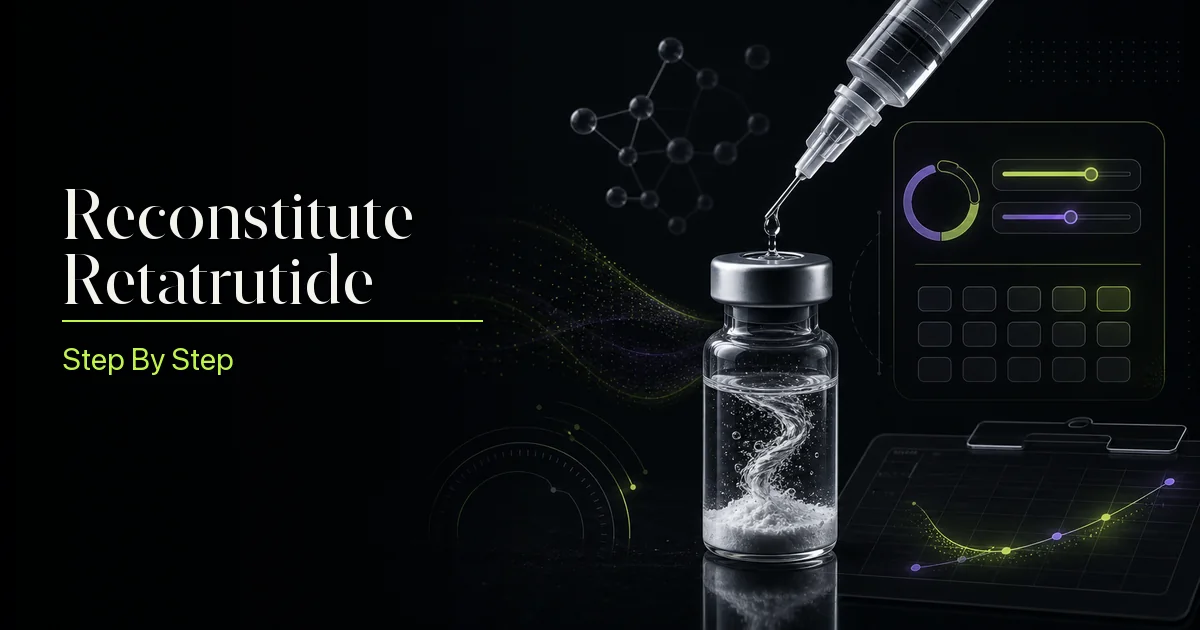
Our experience shows that even minor errors can lead to dramatically different results, making comparisons between experiments, or even within different batches of the same experiment, incredibly difficult
Leimkuhler, B
167,168 Activation of Wnt signalling rescues neurodegeneration and behavioural impairments induced by beta-amyloid fibrils

1,4 Adverse events 5% in SUSTAIN 4 9 AEs occurring in 5% of participants treated with Ozempic injection in SUSTAIN 4 SUSTAIN 4 was not designed to evaluate relative safety between Ozempic injection and Lantus In placebo-controlled trials, the most common adverse reactions reported in 5% of patients treated with Ozempic injection are nausea, vomiting, diarrhea, abdominal pain, and constipation 1 Because clinical trials are conducted under widely varying conditions, adverse reaction rates observed in the clinical trials of a drug cannot be directly compared with rates in the clinical trials of another drug and may not reflect the rates observed in practice 1 Comparator AE rates are not an adequate basis for comparison of safety between products 1 Incidence of severe hypoglycemia was 1.5% across all placebo-controlled trials 1 Incidence of severe hypoglycemia or blood glucose-confirmed hypoglycemia (% of patients) was 4% with Ozempic injection 0.5 mg, 6% with Ozempic injection 1 mg, and 11% with Lantus 9,a Adverse events 5% in SUSTAIN FORTE 4 AEs occurring in 5% of patients receiving Ozempic injection 1 mg and 2 mg in SUSTAIN FORTE In placebo-controlled trials, the most common adverse reactions reported in 5% of patients treated with Ozempic injection are nausea, vomiting, diarrhea, abdominal pain, and constipation 1 No new safety signals were identified

However, the result is not the same for everyone, and the effect goes away when you stop the treatment