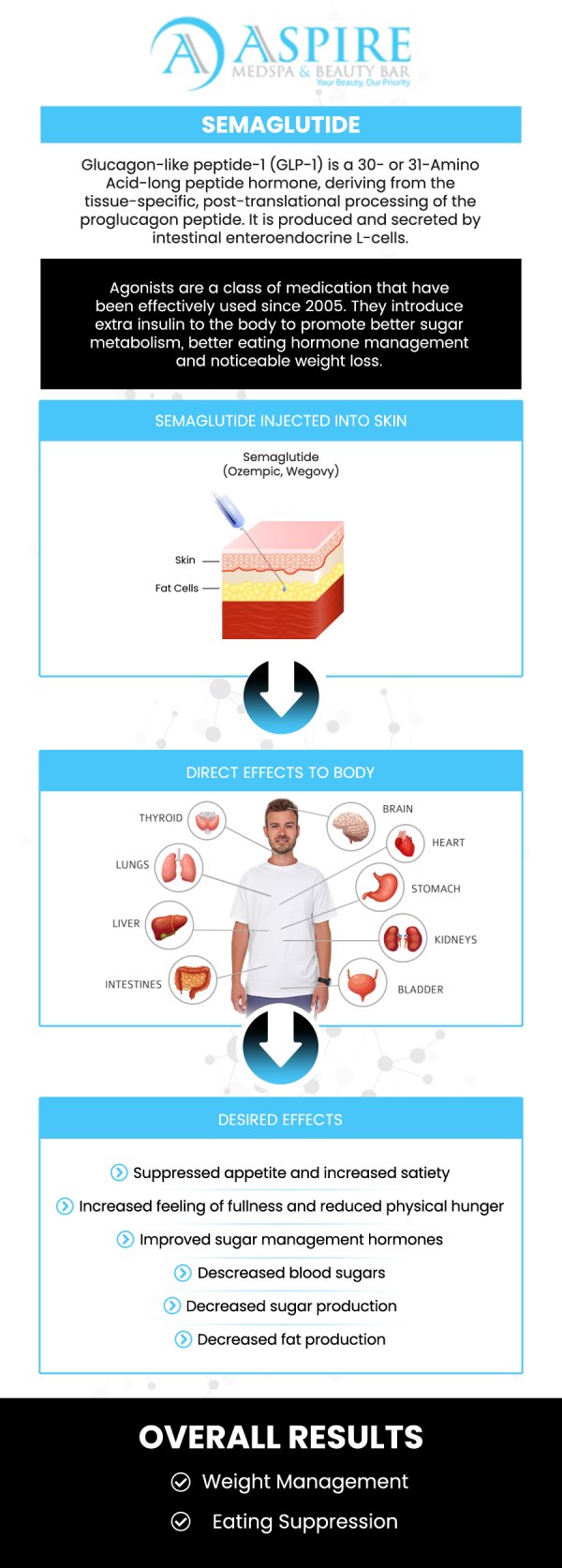
Central GLP-1 binds to GLP-1 receptor (GLP-1R) to exert many important effects including modulation of energy balance, cardiovascular system, learning and memory, rewarding effect of food, and thermogenesis (Trapp and Cork, 2015)
Functional and integrative medicine approaches rosacea as a systemic inflammatory condition involving: Gut dysfunction Immune dysregulation Histamine signaling Mast cell activation Neurovascular instability Skin barrier impairment Comprehensive treatment may include: Gut healing strategies Histamine support and DAO Microbiome restoration Anti-inflammatory nutrition Stress and cortisol regulation Advanced peptide therapies LL-37, KPV, and GLOW-based approaches may provide additional support for immune regulation, tissue recovery, and inflammatory balance when used within a broader clinical framework
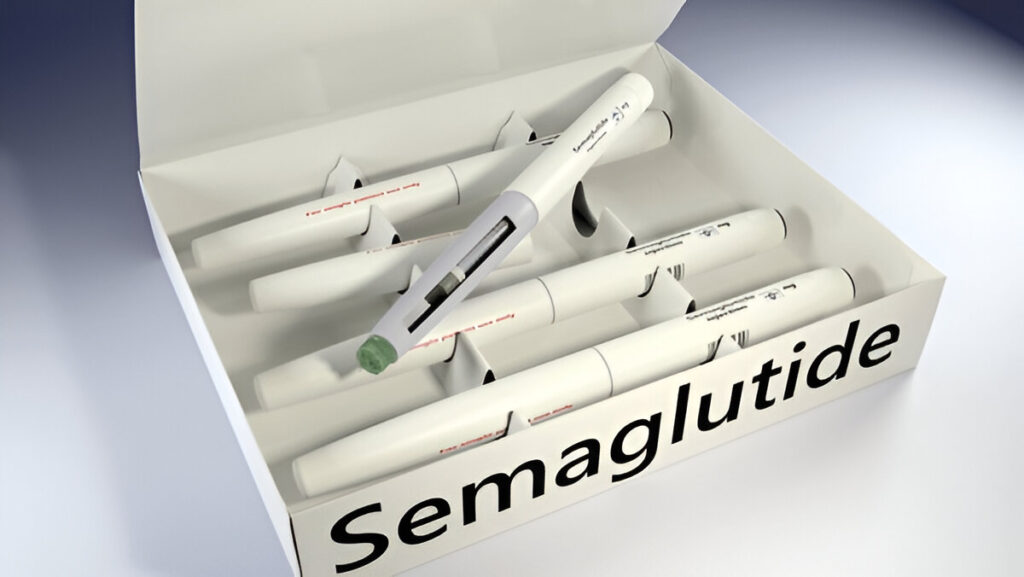
Semaglutide activates GLP-1 receptors in the brain and pancreas
This genetic context should be discussed with your healthcare provider alongside clinical history, metabolic markers, and medication tolerance
More research is needed into the effects of individual nutrients, specific foods, and dietary patterns in humans